Understanding Feeding Outreach Programs: A Path to Nourishment and Hope

When I first learned about feeding outreach programs, I was struck by how much they do more than just provide food. These programs offer a lifeline to many who face daily challenges in accessing nutritious meals. They create a sense of community, dignity, and hope. Today, I want to share what I’ve discovered about these programs, how they work, and why they matter so deeply.
What Are Feeding Outreach Programs?
Feeding outreach programs are organized efforts designed to provide food to people who might otherwise go hungry. These programs often focus on underserved individuals, including those who are homeless, formerly incarcerated, or students struggling to make ends meet. The goal is simple yet powerful: to ensure that no one has to face hunger alone.
These programs come in many forms. Some operate food pantries where people can pick up groceries. Others run soup kitchens or mobile food trucks that bring meals directly to neighborhoods in need. Many also offer nutrition education and support services to help people build healthier lives.
Examples of feeding outreach programs include:
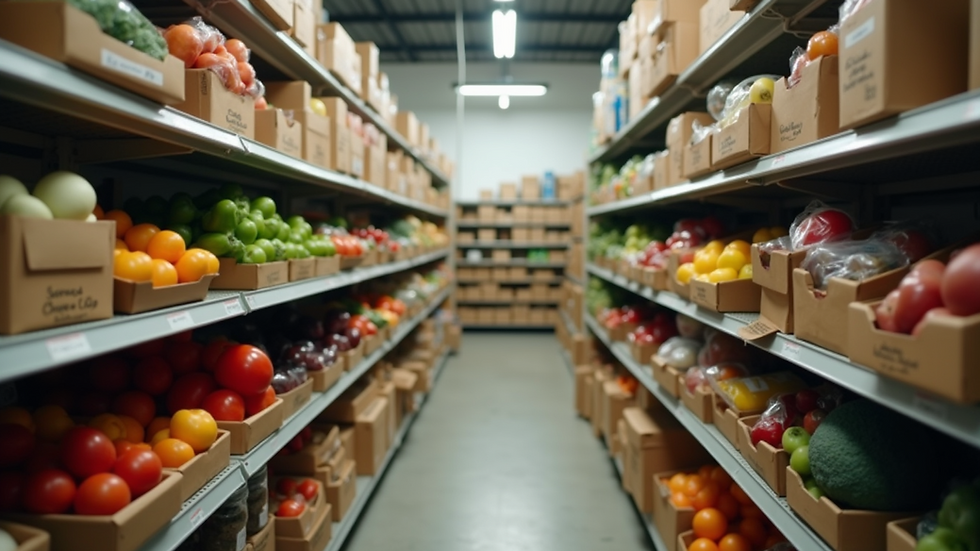
Community food banks distributing fresh produce and staples
Mobile meal services delivering hot food to shelters
School-based programs providing free or reduced-price meals
Collaborative efforts with local farms to supply fresh, seasonal foods
Each program adapts to the unique needs of its community, making sure help reaches those who need it most.
How Feeding Outreach Programs Make a Difference
The impact of feeding outreach programs goes beyond filling empty stomachs. They help restore a sense of stability and dignity. When someone receives a warm meal or a bag of groceries, it’s not just about nutrition—it’s about feeling cared for and supported.
These programs also help reduce stress and improve health outcomes. For example, access to nutritious food can lower the risk of chronic diseases like diabetes and heart conditions. For students, having reliable meals can improve concentration and academic performance.
Feeding outreach programs often serve as a gateway to other vital services. Many organizations connect participants with job training, housing assistance, or counseling. This holistic approach helps people rebuild their lives step by step.
Here are some ways these programs create lasting change:
Building community connections - Volunteers and recipients often form bonds that foster mutual support.
Providing consistent access - Regular meal services ensure people don’t have to worry about where their next meal will come from.
Empowering individuals - Nutrition education and cooking classes help people make healthier choices.
Reducing stigma - Programs that treat everyone with respect encourage more people to seek help.

How You Can Support Feeding Outreach Programs
If you want to make a difference, there are many ways to get involved with feeding outreach programs. Whether you have time, resources, or skills to share, your contribution matters.
Here are some practical ways to help:
Volunteer your time - Many programs need help sorting food, preparing meals, or delivering supplies.
Donate food or funds - Non-perishable items, fresh produce, or financial gifts help keep programs running.
Advocate for policies - Support local and national efforts to increase funding for hunger relief.
Spread awareness - Share information about these programs with your network to reach more people in need.
Even small actions can create ripple effects of kindness and support. When communities come together, we can build stronger safety nets for everyone.
The Role of Feeding Outreach Programs in Reentry and Homelessness Support
Feeding outreach programs play a crucial role in supporting people reentering society after incarceration and those experiencing homelessness. These individuals often face multiple barriers, including limited access to food, housing, and employment.
By providing reliable meals, these programs help stabilize daily life and reduce the immediate stress of hunger. This stability is essential for focusing on long-term goals like finding a job or securing housing.
Many programs partner with organizations that specialize in reentry services, offering a comprehensive support system. This collaboration helps address the complex challenges faced by these populations.
Key benefits include:
Improved physical and mental health - Proper nutrition supports recovery and resilience.
Increased social support - Access to community resources reduces isolation.
Enhanced opportunities - Food security allows individuals to focus on education and employment.
Supporting these programs means supporting a pathway to renewed hope and independence.
Looking Ahead: The Future of Feeding Outreach Programs
As communities grow and change, feeding outreach programs continue to evolve. Innovations like mobile apps for food distribution, partnerships with local farmers, and expanded nutrition education are shaping the future.
Organizations like LeahsHopesandDreams are leading the way by expanding comprehensive support services. Their work empowers individuals and fosters lasting community transformation both locally and internationally.
I believe that by supporting and improving these programs, we can create a world where everyone has access to the nourishment they need to thrive. Together, we can build a future filled with hope, health, and opportunity.
If you want to learn more or get involved, I encourage you to explore local feeding outreach programs and see how you can be part of this important mission.
Thank you for joining me in understanding the vital role feeding outreach programs play in our communities. Every meal shared is a step toward a brighter tomorrow.


Comments